If you have spent more than five minutes scrolling through your feed today, you have likely encountered at least three contradictory health claims. One creator is telling you that coffee is ruining your hormonal balance, while another is citing a study—sans link, of course—that suggests caffeine is the secret to longevity. In one video, you’re told to "cleanse" your gut with a proprietary tonic; in the next, a nutritionist is pleading with you to stop fearing "toxins."
It’s enough to make anyone want to toss their phone out the window and retreat to a diet of plain oatmeal and tap water. As a health writer who has spent nearly a decade navigating the intersection of clinical research and consumer trends, I’ve watched this space swell from a niche interest in protein powders and yoga into a multi-trillion-dollar behemoth. But with that expansion has come a suffocating layer of wellness information overload.
So, why is it so hard to get a straight answer? And more importantly, how do we distinguish between helpful guidance and algorithmic theater?
The Expansion: Beyond the Gym and the Medicine Cabinet
Ten years ago, the "wellness" conversation was relatively contained. It was about vitamins, gym memberships, and maybe the occasional "superfood" trend like kale or chia seeds. Today, the market has expanded into every corner of human existence. Wellness now encompasses sleep optimization, light exposure, "biohacking" gadgets, cortisol management, gut microbiome tracking, and even the emotional state of your household environment.
Because the market is no longer limited to supplements, the sources of advice have diversified. You are no longer just getting advice from a nutritionist; you are getting it from tech influencers, interior designers, real estate experts, and lifestyle vloggers who have discovered that "health" is a highly profitable niche.
When you sit in a clinic visit, your physician relies on evidence-based protocols that have been vetted through peer-reviewed research and years of clinical application. When you are on Instagram or TikTok, however, the "wellness" content you see is governed by a different set of rules: the algorithm. In this ecosystem, nuance rarely goes viral. Certainty does. And that is where our problems begin.
The Algorithm of Conflicting Health Advice
There is a specific phenomenon occurring in the digital wellness space: conflicting health advice is actually incentivized. If a creator posts, "Vitamin D is generally helpful," no one comments. If they post, "Vitamin D is a government-funded lie that is killing your liver," the comment section catches fire. High engagement tells the platform that the content is "valuable," so the platform pushes it to more people.
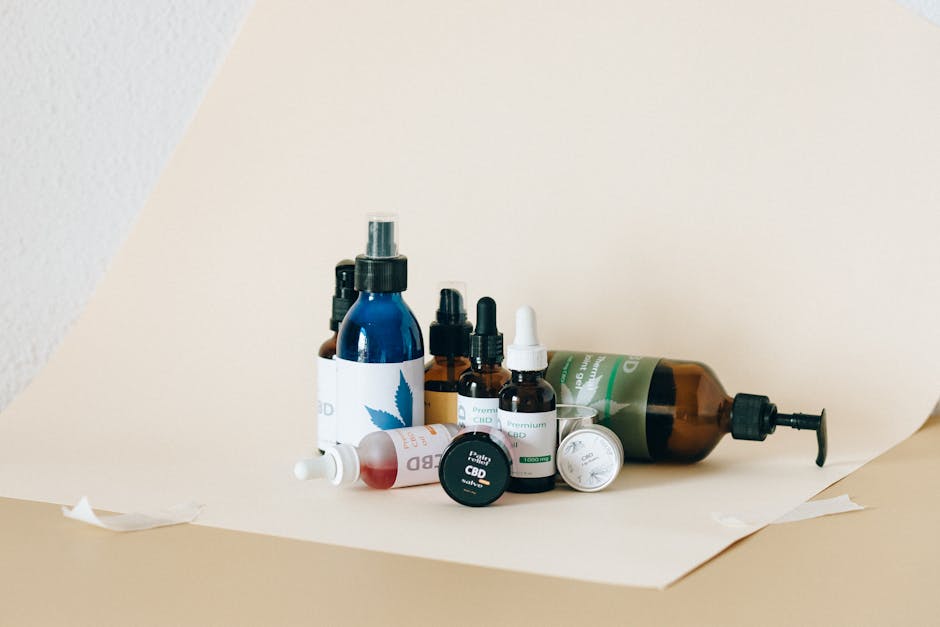
This creates a feedback loop where extreme claims thrive. When I look at these posts, I always ask the same question: What would this look like on a label or in a clinic visit?
In a clinic, a provider would discuss your specific blood work, your medical history, and the potential interactions between a new supplement and your existing prescriptions. On social media, that context is stripped away. Instead, we are given one-size-fits-all "miracle" advice, often delivered with the unwavering confidence of a high-stakes salesperson rather than a healthcare professional.
The "Vague Marketing" Red Flag List
As a writer, I keep a running list of phrases that signal an influencer is prioritizing sales over safety. If you see these terms, be skeptical. They are often used as a smoke screen for a lack of clinical evidence:
- "Supports your natural journey" (What journey? Toward what goal?) "Detoxifying" (Your liver and kidneys do this 24/7; unless you have been poisoned, you do not need a tonic for this.) "Bio-available magic" (If it’s magic, it’s not science.) "Clean label" (This has no legal definition and is often used to distract from a lack of third-party testing.) "Optimal vibrational health" (Physics does not support this as a measurable health metric.)
Ingredient Literacy: Moving Beyond the Hype
One of the most dangerous aspects of social media wellness is the lack of ingredient literacy. We are being sold "complexes" and "blends" without the fundamental understanding of how these substances interact with our bodies. When a creator promotes a "green powder" for gut health, they rarely mention the dosage of each herb, whether that dosage is clinically significant, or if the source of the ingredient has been tested for heavy metals.
To navigate this, we must shift our focus from the marketing to the sourcing. Transparency is the antidote to confusion.
What Should You Look For?
When you hold a product in your hand, don’t read the marketing on the front. Flip it over. A high-quality wellness product will prioritize the following:
Third-Party Testing: Look for seals from independent laboratories like NSF International, USP, or Informed Choice. These organizations verify that the label actually matches the contents of the bottle. Clear Dosage: If a label says "Proprietary Blend" and lists 15 ingredients without telling you exactly how much of each is in the scoop, put it back. You cannot safely track your intake if you don't know the dose. Certificates of Analysis (COA): For reputable supplement brands, you should be able to request a COA that shows the product has been tested for purity, potency, and contaminants like lead, mercury, or pesticides.Comparison: Marketing Claims vs. Clinical Reality
It is helpful to look at how wellness brands use language compared to how a clinician would address the same topic. The table below illustrates the disconnect that drives so much of our confusion.
Marketing/Influencer Claim The Reality Check "Boosts your immune system overnight." The immune system is a complex network; it is not a muscle to be "boosted" like a gym set. "This herb balances your hormones instantly." Hormones are highly individual and sensitive. "Balancing" them requires blood panels, not magic beans. "Clean, non-toxic beauty." "Toxic" is a dosage-dependent term. Everything—including water—is toxic at a high enough dose. "Recommended by experts." Check the expert. Are they a doctor, a PhD researcher, or a paid brand ambassador?The Demand for Transparency: Protecting Your Own Health
If you are feeling overwhelmed by influencer marketing and conflicting advice, you are not failing at health—you are succeeding at recognizing a broken information pipeline. The solution isn't to stop caring about your health; it’s to move the goalposts.
Stop looking for digital healthcare platforms "optimal" health hacks on TikTok and start looking for "foundational" health habits in your life. Foundations are boring. They look like consistent sleep, fiber-rich vegetables, movement that you actually enjoy, and a relationship with a healthcare provider who listens to your concerns rather than dismissing them.
Before you hit "buy" on the next viral supplement or wellness gadget, pause. Ask yourself: Does this product provide a clear, peer-reviewed mechanism of action, or is it just promising a feeling?
True wellness isn't found in a bottle, a subscription box, or a 30-second reel. It is found in the quiet, unglamorous work of making decisions based on your individual biology, not the algorithm's current obsession. The next time you find yourself confused by a bold health claim, remember: if the advice sounds like a miracle, it’s likely just marketing. If it sounds like a prescription, it belongs in a clinic—not on your feed.
Disclaimer: This article is for informational purposes only and does not constitute medical advice. Always consult with your primary care physician or a licensed healthcare professional before beginning any new supplement regimen or making significant changes to your diet or fitness routine.